Industries
Business Distribution by Industry in Rotnes
| Industry Description | Number of Establishments |
|---|---|
| Construction of buildings | 41 |
| Corporate management | 13 |
| Accountants | 5 |
Rotnes Facts
| Area | 2.1 km² |
| Population | 2,583 |
| Male Population | 1,284 (49.7%) |
| Female Population | 1,299 (50.3%) |
| Population change (1975 to 2020) | +32.7% |
| Population change (2000 to 2020) | +19.1% |
| Median Age | 38.6 years (Male: 38.5, Female: 38.7) |
| Local Time | |
| Timezone | Central European Summer Time |
| Lat & Lng | 60.05707, 10.86135 |
Map of Rotnes
Interactive Map
Rotnes Population
Years 1975 to 2020
| Data | 1975 | 1990 | 2000 | 2015 | 2020 |
|---|---|---|---|---|---|
| Population | 1,947 | 2,138 | 2,168 | 2,440 | 2,583 |
| Population Density | 916.2 / km² | 1,006.1 / km² | 1,020.2 / km² | 1,148.2 / km² | 1,215.5 / km² |
Sources: JRC (European Commission's Joint Research Centre) work on the GHS built-up grid
Rotnes Population change from 2000 to 2015
Increase of 12.5% from year 2000 to 2015
| Location | Change since 1975 | Change since 1990 | Change since 2000 |
|---|---|---|---|
| Rotnes | +25.3% | +14.1% | +12.5% |
| Akershus | +64.9% | +41.7% | +26.1% |
| Norway | +30.2% | +23.2% | +16.4% |
Sources: JRC (European Commission's Joint Research Centre) work on the GHS built-up grid
Rotnes Median Age
Median Age: 38.6 years
| Location | Median Age | Median Age (Female) | Median Age (Male) |
|---|---|---|---|
| Rotnes | 38.6 yrs | 38.7 yrs | 38.5 yrs |
| Akershus | 38.9 yrs | 39.5 yrs | 38.3 yrs |
| Norway | 38.8 yrs | 39.6 yrs | 38 yrs |
Sources: CIESIN (Center for International Earth Science Information Network)
Rotnes Population Density
Population Density: 1,216 / km²
| Location | Population | Area | Density |
|---|---|---|---|
| Rotnes | 2,583 | 2.125 km² | 1,216 / km² |
| Akershus | 587,891 | 5,086 km² | 116 / km² |
| Norway | 4.9 million | 322,754.2 km² | 15.2 / km² |
Sources: JRC (European Commission's Joint Research Centre) work on the GHS built-up grid
Rotnes Historical and Projected Population
Estimated Population from 1200 to 2100
Sources:
- JRC (European Commission's Joint Research Centre) work on the GHS built-up grid
- CIESIN (Center for International Earth Science Information Network)
- [Link] Klein Goldewijk, K., Beusen, A., Doelman, J., and Stehfest, E.: Anthropogenic land use estimates for the Holocene – HYDE 3.2, Earth Syst. Sci. Data, 9, 927–953, https://doi.org/10.5194/essd-9-927-2017, 2017.
Human Development Index (HDI)
Statistic composite index of life expectancy, education, and per capita income.
Source: [Link] Kummu, M., Taka, M. &Guillaume, J. Gridded global datasets for Gross Domestic Product and Human Development Index over 1990–2015. Sci Data 5, 180004 (2018) doi:10.1038/sdata.2018.4
Rotnes CO2 Emissions
Carbon Dioxide (CO2) Emissions Per Capita in Tonnes Per Year
| Location | CO2 Emissions | CO2 Emissions Per Capita | CO2 Emissions Intensity |
|---|---|---|---|
| Rotnes | 51,098 tn | 19.78 tn | 24,046.2 tons/km² |
| Akershus | 11,154,658 tn | 18.97 tn | 2,193.2 tons/km² |
| Norway | 86,855,170 tn | 17.74 tn | 269.1 tons/km² |
Sources: [Link] Moran, D., Kanemoto K; Jiborn, M., Wood, R., Többen, J., and Seto, K.C. (2018) Carbon footprints of 13,000 cities. Environmental Research Letters DOI: 10.1088/1748-9326/aac72a
Rotnes CO2 Emissions
| 2013 CO2 emissions (tonnes/year) | 51,098 tn |
| 2013 CO2 emissions (tonnes/year) per capita | 19.78 tn |
| 2013 CO2 emissions intensity (tonnes/km²/year) | 24,046.2 tons/km² |
Recent Nearby Earthquakes
Magnitude 3.0 and greater
| Date▼ | Time↕ | Magnitude↕ | Distance↕ | Depth↕ | Location↕ | Link |
|---|---|---|---|---|---|---|
| 4/7/04 | 8:53 AM | 3.4 | 60.7 km | 22,900 m | southern Norway | usgs.gov |
| 11/19/94 | 9:07 AM | 3.5 | 19.6 km | 10,000 m | southern Norway | usgs.gov |
| 11/27/93 | 6:57 PM | 3.1 | 48.5 km | 10,000 m | southern Norway | usgs.gov |
| 11/12/93 | 7:54 PM | 3.4 | 92.3 km | 10,000 m | Sweden | usgs.gov |
| 2/19/92 | 6:39 AM | 3.8 | 97.3 km | 10,000 m | southern Norway | usgs.gov |
Source: U.S. Geological Survey (USGS)
Rotnes
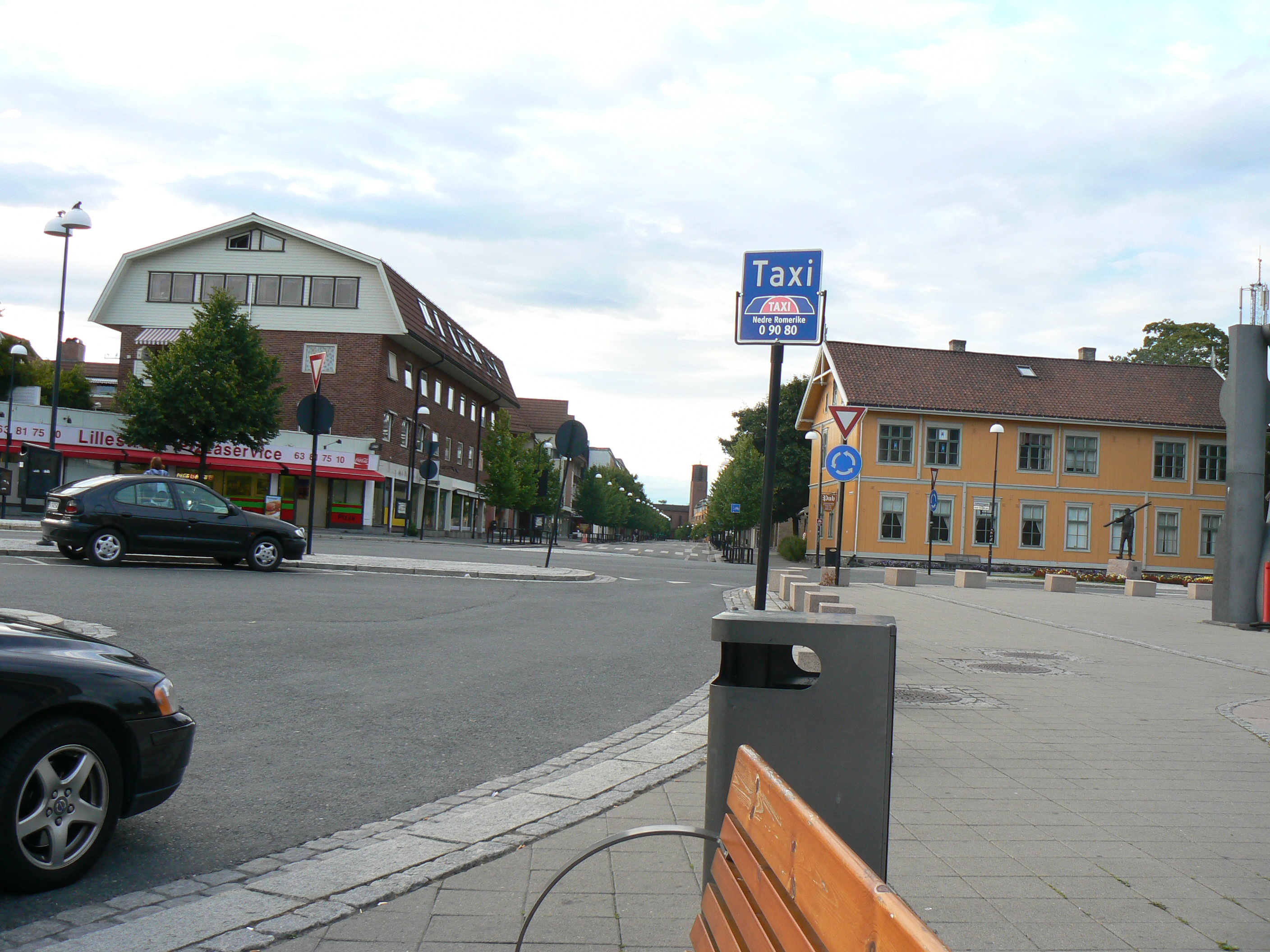
Rotnes is the administrative centre of Nittedal municipality, Norway. Its population (2010) is 20 939. It is located by the Norwegian National Road 4.
Rotnes Wikipedia Page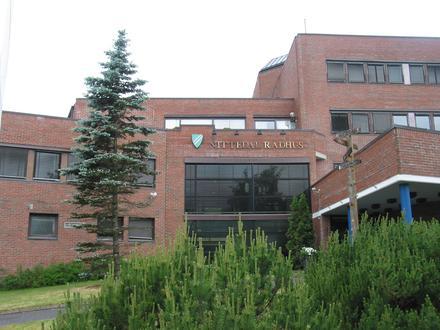


About Our Data
The data on this page is estimated using a number of publicly available tools and resources. It is provided without warranty, and could contain inaccuracies. Use at your own risk.